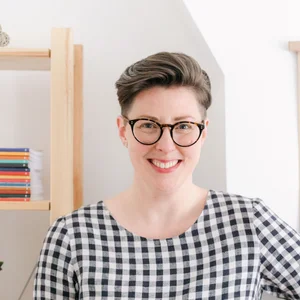
Reflection, growth, and gentle boldness: Meet Sarah of Saorsa Psychology
Behind the Brand is a celebration of the brilliant people behind the businesses I work with — exploring their creative inspiration, daily challenges, proudest moments, and the values that shape their work.
This time, I’m chatting with Sarah Philp — psychologist, coach, and writer behind Saorsa Psychology. Sarah’s work is all about creating space for reflection and growth. In our conversation, she shares her journey, her philosophy, and what it means to help people reconnect with what matters most.
Sarah, can you tell us a bit about your work as a psychologist and coach, and the path that led you here?
I’ve spent the past 20 years working across education and psychology – beginning first as an Educational Psychologist before moving into coaching psychology and leadership development. Over that time, I realised how often we ask educators to look after others without being offered the space or support to look after themselves.
My work today centres on creating that space – through coaching, facilitation, writing and teaching – to help individuals to know themselves well so that they can do the complex work of teaching and leadership. An important part of that is often about reconnecting with values, purpose, creativity and capacity to lead. And this intrapersonal understanding means our capacity for navigating the interpersonal complexities is greater.
Saorsa is such a beautiful Gaelic word. What made you choose it, and what does it mean to you?
Yes – it’s a word that holds a lot of meaning for me. Although I am not a Gaelic speaker myself, the language has always been around me. It connects me to people and places that are important.
Saorsa, meaning freedom, is at the heart of the work I do. The freedom to grow, to reflect, to explore new ways of thinking and being.
You describe your approach as “gently bold”, which I love. How does that show up in the way you work with people and support them at their own pace?
It’s a phrase I landed on because I wanted to hold both compassion and courage together. Gently speaks to the importance of creating safety, of listening deeply and meeting people where they are. Bold reflects the fact that this work is also about growth, questioning assumptions, and sometimes inviting people to step out of their comfort zone, to create change. I hold both of those things in the space – so that people feel both supported and stretched, never rushed.
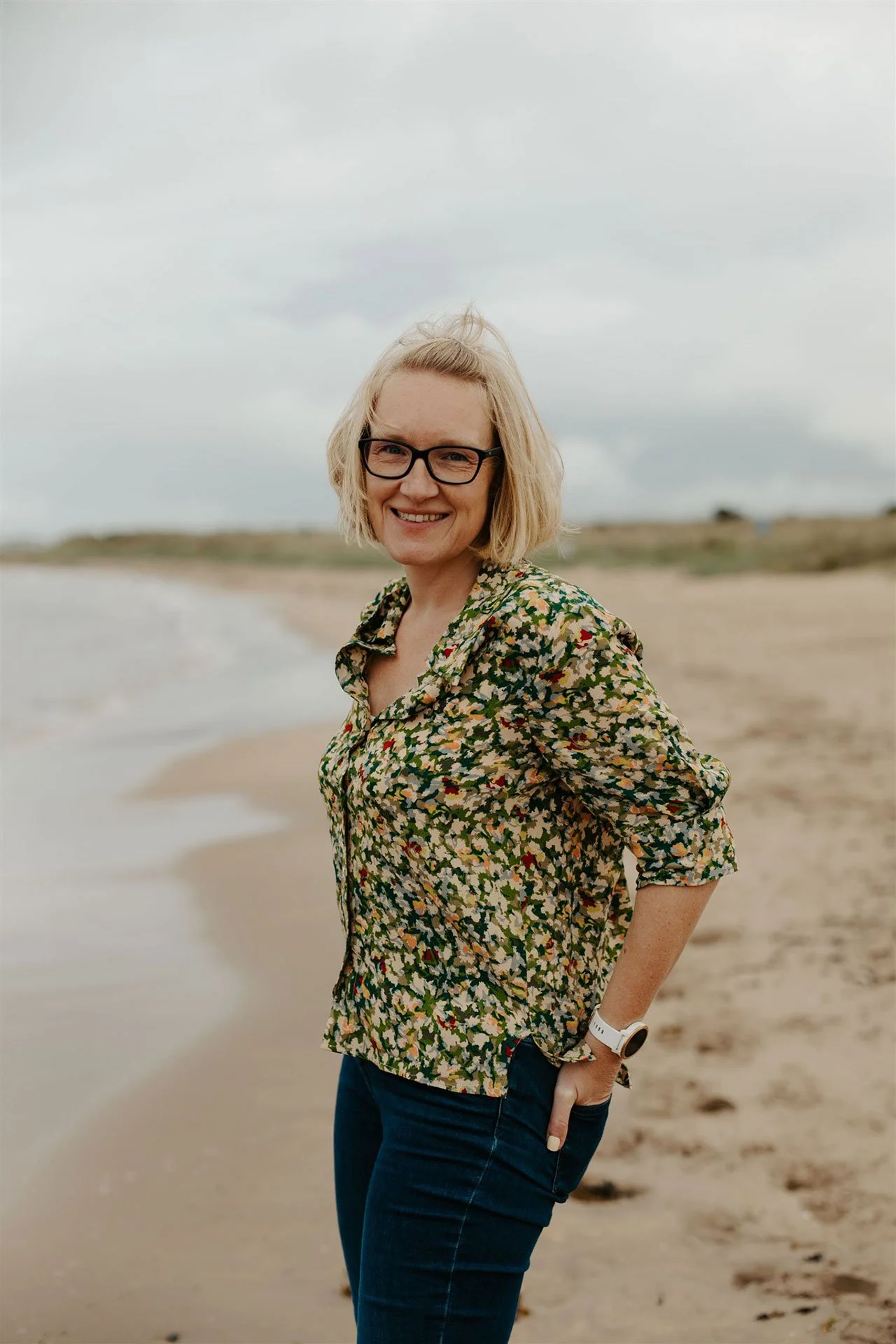
“One thing I remind everyone I work with is that the quality of what you do is underpinned by the quality of your thinking.”
What does a typical day look like for you? Do you have any rituals or routines that help you ease into your work?
My days vary, but I always start with an early morning walk and then coffee. The weather and the seasons don't put me off getting outside first thing, it's a good way to start the day. I work best in the morning, I was always the first in the office, so I'm usually at my desk just after 7am.
I like to have a clean and tidy desk and if I need to think something through you'll often find me having a 'tidy out' in my office. I find the motion and movement helps me think.
If I have a bigger task to do or something I'm working on I find Cal Newport's insights on deep work helpful. He shares different ways we can prepare ourselves for cognitively demanding or what he calls 'deep work'. Getting into deep work isn't always easy, especially if that piece of work doesn't exactly light you up! It can also be difficult to engage the kind of thinking or cognitive capabilities that deep work requires when we have just been engaged in something quite different, something that required different cognitive capabilities.
Cal shares some things that can help and I find these particularly help me:
Engage in a related task e.g. read something or listen to a podcast that is connected in some way.
Write down my current thoughts - create some mental space by clearing my mind of unrelated things or 'warm up' my thinking by writing (words or sentences) about things related to the work.
Set an intention for the work - these might be aspirational intentions or more focused goals about what I want to achieve.
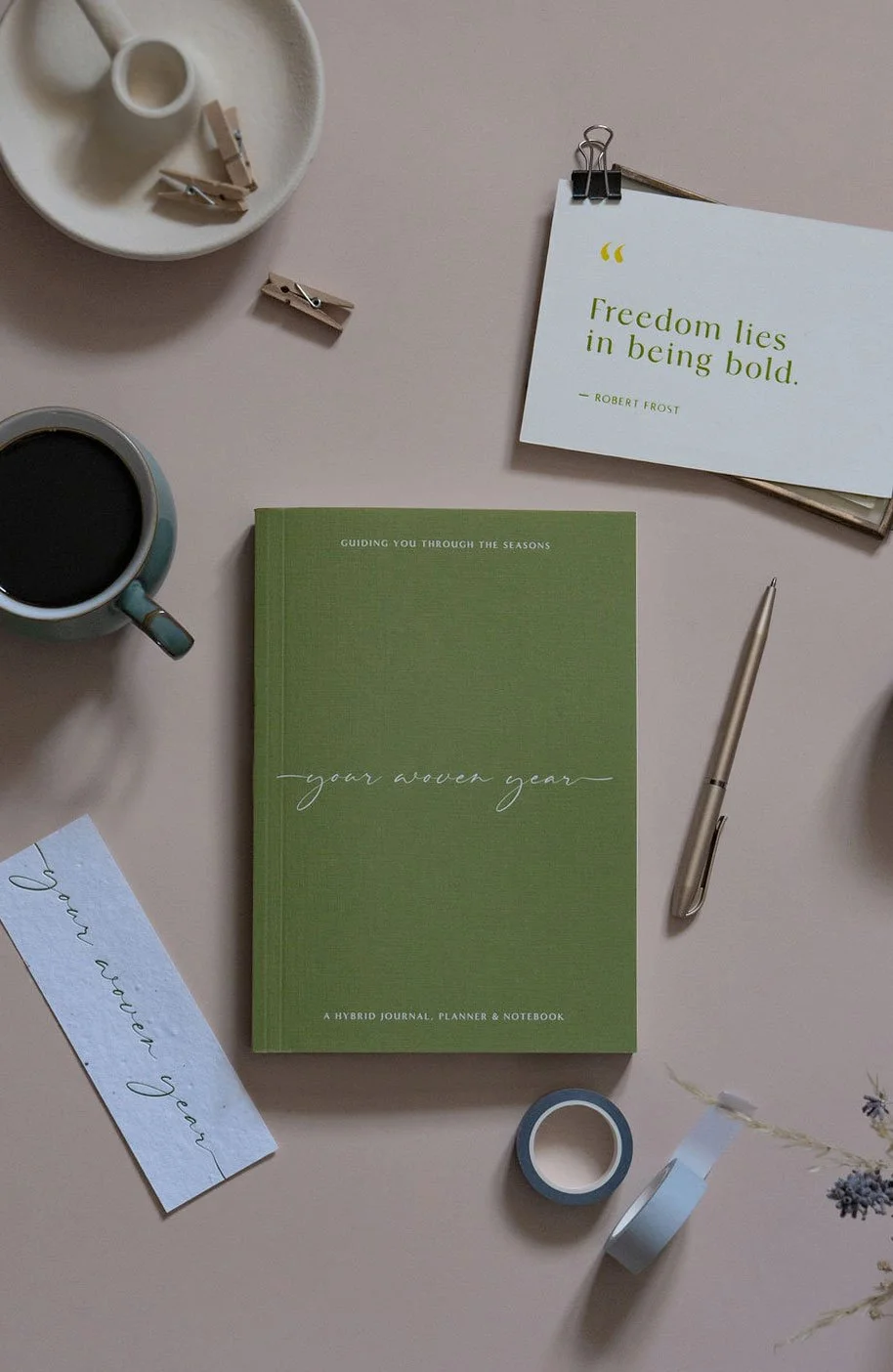
You recently launched the (sell-out!) first edition of Your Woven Year. What first gave you the spark to create a journal and planner especially for educators? And did it feel important to take a different approach to the typical box-ticking productivity-driven planner?
Your Woven Year has been forming quietly in the background of my work for a while now. It’s shaped by my own patterns of reflection, the rhythms of the school year and the conversations I’ve had with educators. Collectively, they’ve contributed to the feeling that there’s another way to move through the year, not by pushing harder, but by returning, as often as needed, more gently to what matters.
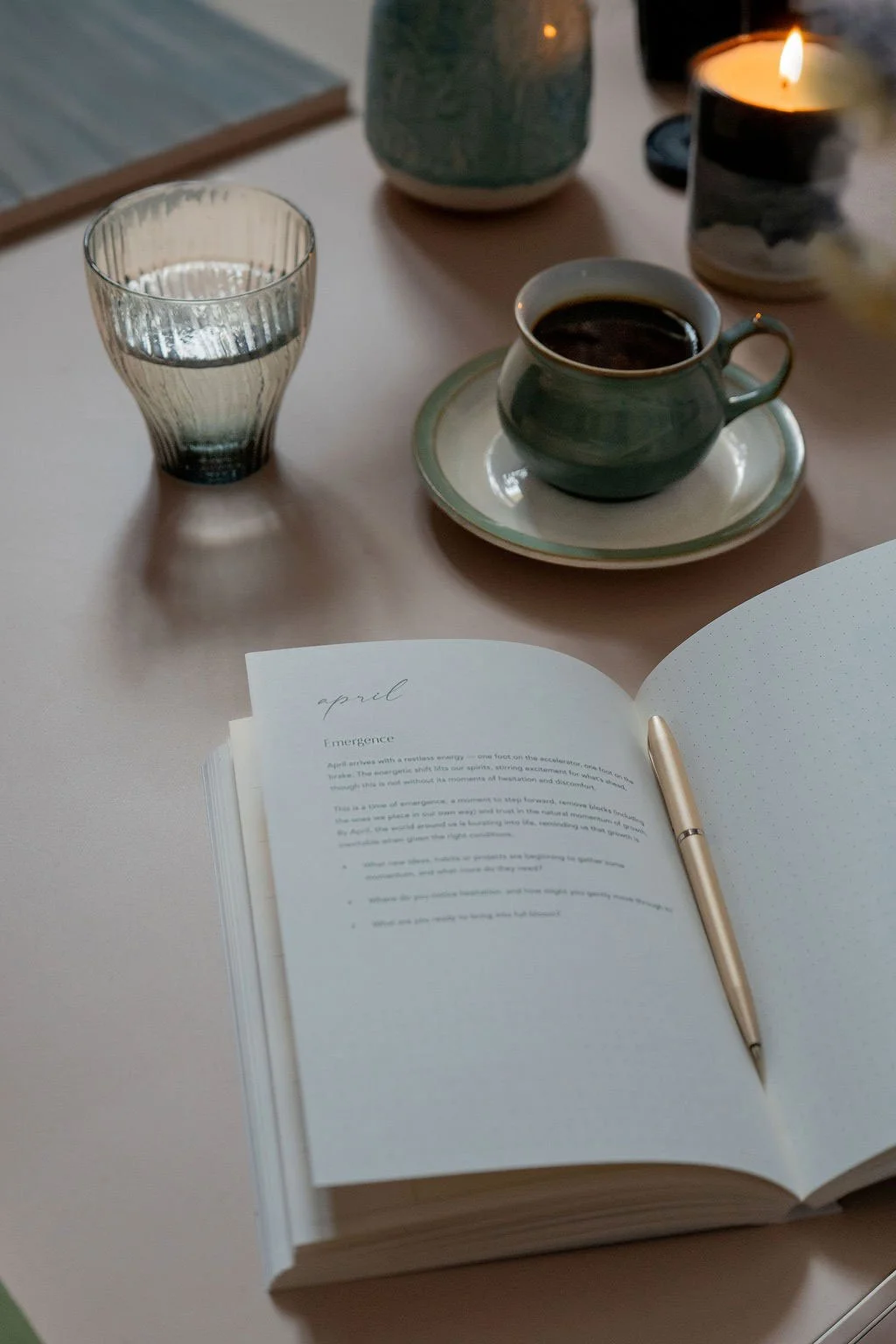
It was only once The Thread community started to gather that I realised this might be an idea worth moving from the margins to the page. Your Woven Year is the result: a hybrid journal–planner–notebook designed for educators and guided by the natural shifts in energy that come with each season. It gently brings together clarity and care while also making room for intention without overwhelming.
Your Woven Year carries the practicality of a planner, the space of a notebook and the guided reflection of a journal, all grounded in the natural rhythm of the seasons and the structure of the school year.
It’s something to carry alongside you, rather than something to complete. Some days you’ll make lists. Some weeks you’ll write a sentence or two. Some months you’ll sit with a single question.
It’s not about being consistent. It’s about having a space to come back to.

This or that?
Sunrise or sunset?
Morning pages or evening journaling?
Biscuit or cake?
Adventure or slow weekend?
Coffee or tea?
City streets or countryside paths?
Buy it or DIY it?
Cosy night in or evening out?
Podcast or playlist?
Tv show or movie?
What was it like seeing the project come to life — from that very first idea to holding it in your hands and sending out those first orders?
Your Woven Year began in the margins of my own notebooks — as sketches and fragments, thoughts I kept coming back to. I needed a space with enough structure to support the realities of work, but with a softness and openness that could hold dreaming, feeling, and noticing.
Making it real, moving from an idea to something tangible, has been one of the most creatively rich experiences I’ve had. Although it also had its moments. Sending out the orders was definitely a 'pinch me' moment.
And then seeing it land in people’s hands was actually a bit nerve-wracking. That moment when your 'perfect idea' is a reality and you hope others receive it in the way you hope. It’s one thing to have an idea and another thing entirely to know it’s landing in the world and supporting people in a meaningful way. Seeing people share photos of them 'in the wild' or letting me know how they're using it is just lovely.
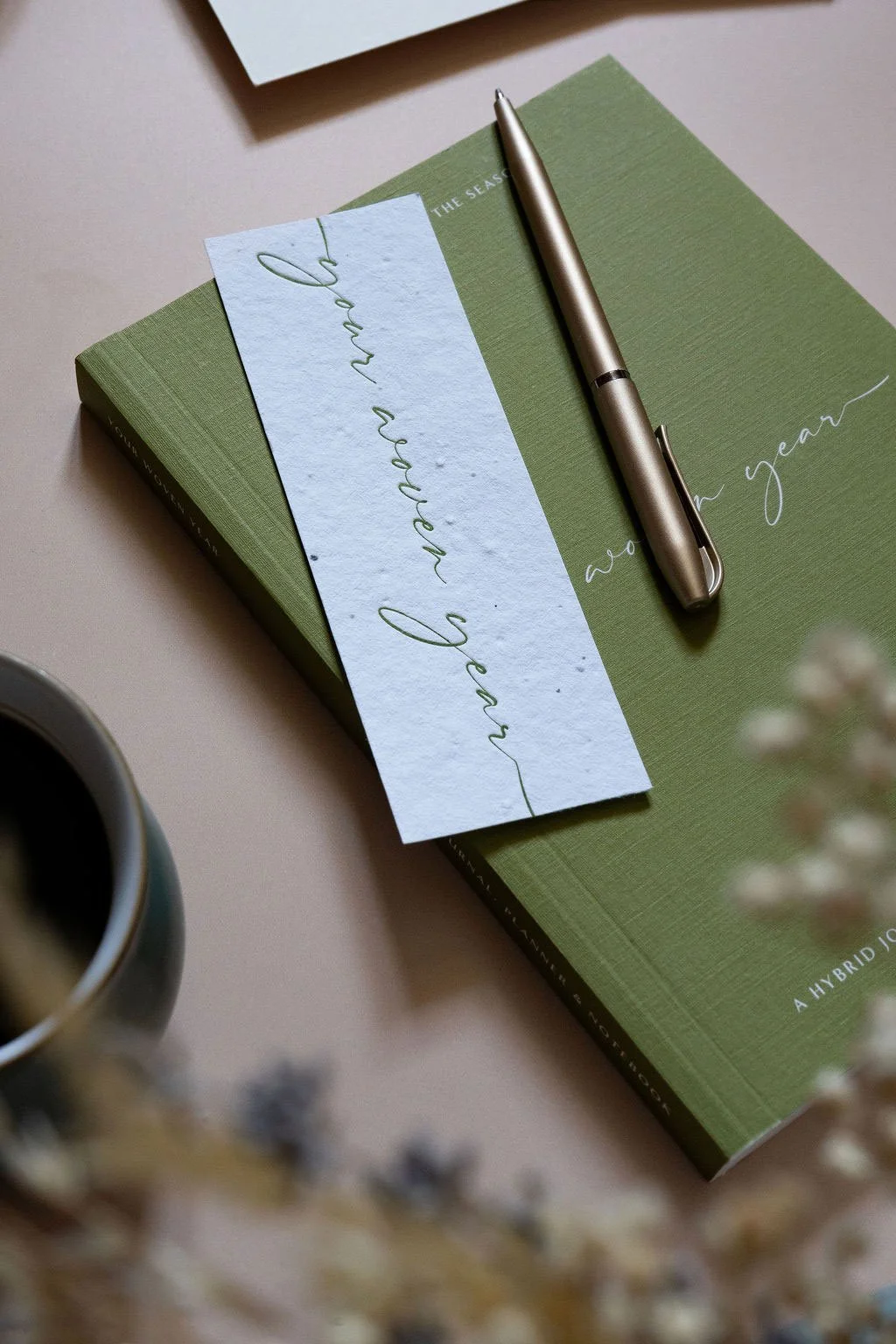
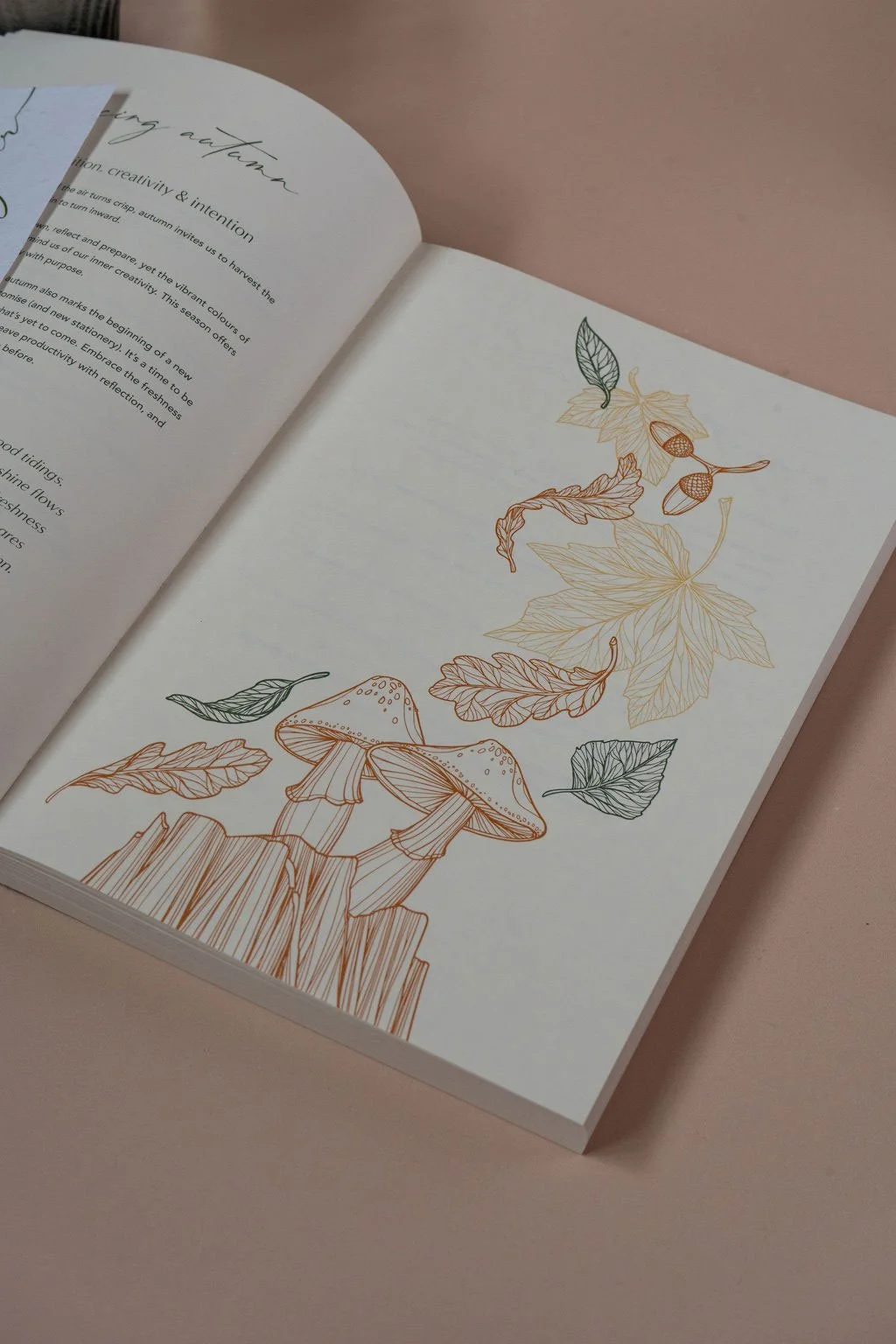
You included letterpress seed paper bookmarks with the journal, which I was delighted to print! What drew you to that idea, and how do those small, tactile touches reflect the values behind the project?
I really believe in the importance of texture and physicality – especially in a digital world. I wanted the journal to feel like an invitation, something you return to. The seed paper bookmark is a small reminder of that idea: that things grow when we give them time and attention. It reflects the wider ethos of the journal – slow growth, planting seeds, trusting the process. And they were the perfect companion, thank you.
You also write and host your Space to Think podcast, where you explore ideas and stories with guests. Do those conversations, and your writing, feel like an extension of your work as a psychologist and coach?
Absolutely. The podcast and writing are another way of creating space – allowing ideas to breathe and stories to be heard. Often they spark reflections that feed directly into my coaching and facilitation work. It’s all connected. I think of them as different threads in the same tapestry; they all support people to pause, listen and rethink.
And how do you find your own “space to think”? Living in such a beautiful part of Scotland must help!
It really does! Being surrounded by hills, the sea and changing skies provides a constant background reminder to slow down. Walking, photography and simply noticing the seasonal shifts all help me to reconnect and ground myself.
For me it's important to intentionally create small moments as well as longer or more extended spaces. So it's about finding a rhythm between the day to day moments and then extended spaces, whether that's a day or a week on Skye to really lean into that space to think.
Looking back over your career so far, is there a moment that really felt like a win? And on the flip side — any challenges or lessons that have helped shape where you are now?
One of the most meaningful moments was probably launching Your Woven Year and realising how deeply it resonated. It felt like a culmination of so many years of listening, learning and supporting others. And of course my love of stationery.
In terms of challenges, moving away from a more traditional career path into something more self-directed was a huge learning curve. There’s a vulnerability that comes with stepping into your own work, but that has shaped so much of what I now bring to others – especially around navigating uncertainty and holding courage alongside gentleness.
Any tips you’d give to someone wanting to run a calm, purpose-driven business like yours? Or anything you wish you’d known when you started?
Stay connected to your integrity and trust that small steady steps really do add up. It’s easy to assume you need it all figured out before you begin – but clarity often comes through the doing. Also, build in spaciousness from the start – you don’t have to chase every opportunity. There’s real strength in holding your pace.
And finally, what are you feeling excited about at the moment — whether it’s the next chapter for Your Woven Year, your writing, podcasting, or something completely new?
Right now I’m really excited about the second year of The Thread beginning in September. The first year evolved into something special and I'm excited to see where this next year of monthly gathering and seasonal workshops take us.
And I always look forward to the next podcast conversations – they never fail to surprise and stretch my thinking.
For anyone who wants to learn more about your work, podcast, etc, where can they find you?
The best place is my website where you’ll also find The Thread (my community space) and more about my coaching and leadership work.
I also share reflections and updates over on Substack where you can also find the podcast (or you'll find Space to Think wherever you prefer to listen).
Photo credits: All images by Katie Rhona Photography, except portrait image by Anna Considine, Studio Gently.