Imbolc: A gentle turning towards the light

Falling halfway between the stillness of Yule (the Winter Solstice) and the fresh energy of Ostara (the Spring Equinox), Imbolc (pronounced ‘Im-bolk’) marks a quiet but meaningful turning point in the year.
Celebrated around 1–2 February, Imbolc is the first seasonal festival of the calendar year. Rooted in Celtic and Pagan traditions, it honours the slow return of the light and the earliest signs of spring — even while winter still holds us firmly in its grip. A subtle shift, but one that’s well worth celebrating.
Imbolc at a glance
When: 1–2 February
Position on the Wheel: Between Yule (Winter Solstice) and Ostara (Spring Equinox)
Seasonal themes: Renewal, hope, gentle beginnings, returning light
Associated elements: Fire, light, seeds
Ways to mark it: Candles, simple rituals, comforting food, time in nature, quiet reflection
A season of small beginnings
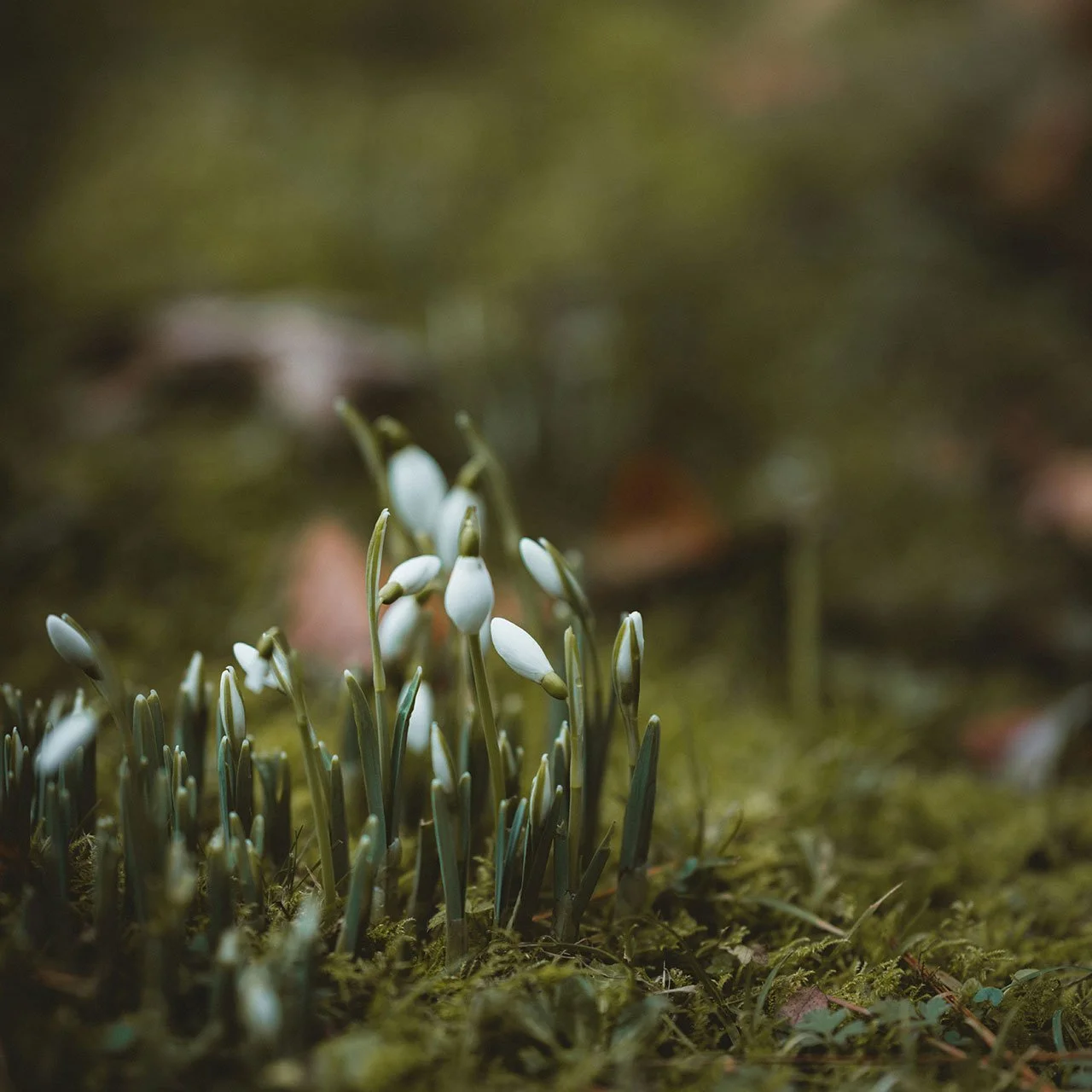
Winter can feel slow and heavy, but Imbolc reminds us that change often begins beneath the surface. This is the season of snowdrops pushing through frozen ground, of lengthening days that are almost imperceptible at first — but growing all the same.
It’s a festival traditionally associated with fire and light. Candles are lit to welcome the returning sun, and hearth foods like bread, cakes, and cheeses are shared. There’s comfort here, but also quiet encouragement: growth doesn’t need to be loud or fast to be meaningful.
Imbolc energy in life and work
In the rhythm of the year, Imbolc sits beautifully between rest and action. It isn’t about launching into full spring momentum just yet — instead, it offers space to pause and notice.
This is a time for reflection and soft planning:
What’s working well right now?
What feels stuck or heavy?
What small shift could help your energy flow more easily?
Ideas that have been quietly forming through winter can begin to come into the light. Not fully formed, not ready for action quite yet — but visible enough to be acknowledged and nurtured.
Ways to celebrate Imbolc
Celebrating Imbolc doesn’t need to be elaborate. Simple, intentional rituals often feel most aligned with the season, and traditionally, celebrations often included a blend of nature, creativity and comfort.
Some gentle ways to mark Imbolc:
Lighting candles or a small fire as dusk falls
Taking a slow walk in nature and noticing early signs of spring
Sowing seeds indoors or planning what you’ll grow this year
Cooking something comforting — bread, custard, citrus bakes
Clearing and refreshing your space, especially your studio or desk
Journalling about what you’re ready to nurture next
For me, celebrating Imbolc always involves connection with nature — a walk in the woods or time in the garden — alongside something creative and comforting. And what could be more comforting than fresh homemade marmalade? This is one of our favourite traditions at home, and the Seville orange season feels a little symbolic: a nod towards the golden, summer days that will (hopefully) be coming our way soon.
Moving gently towards what’s next
Imbolc isn’t about rushing out of winter and into spring. It’s about honouring the subtle shift — knowing that something is changing, even if we can’t quite see it yet.
Whether you mark it with a feast, a creative project, time outdoors, or a quiet moment to yourself, Imbolc invites you to notice the light returning and to take one small step towards what you’re ready to grow.
However you choose to celebrate, may it be gentle, nourishing, and hopeful.
For more gentle seasonal reflections and practical prompts, you can subscribe to Notes from the Studio or listen to my podcast, Seasons in Business.